A new year brings new seasons, new beginnings, and new adventures. As we look ahead to 2026, the world of travel continues to evolve, shaped by new destination trends, shifting consumer preferences, and growing sustainability awareness. Whether you’re a seasoned traveler or planning your first adventure, understanding the trends that will define travel in the coming year can help you make the most of your experiences. From eco-friendly destinations to the rise of immersive travel experiences, we’ve compiled 7 top travel trends for 2026 that you won’t want to miss. Get ready to explore how these innovations and shifts will influence your plans, ensuring your journeys are not only memorable but also aligned with the values of tomorrow’s travelers. Let’s dive in and discover what’s on the horizon for travelers in 2026!
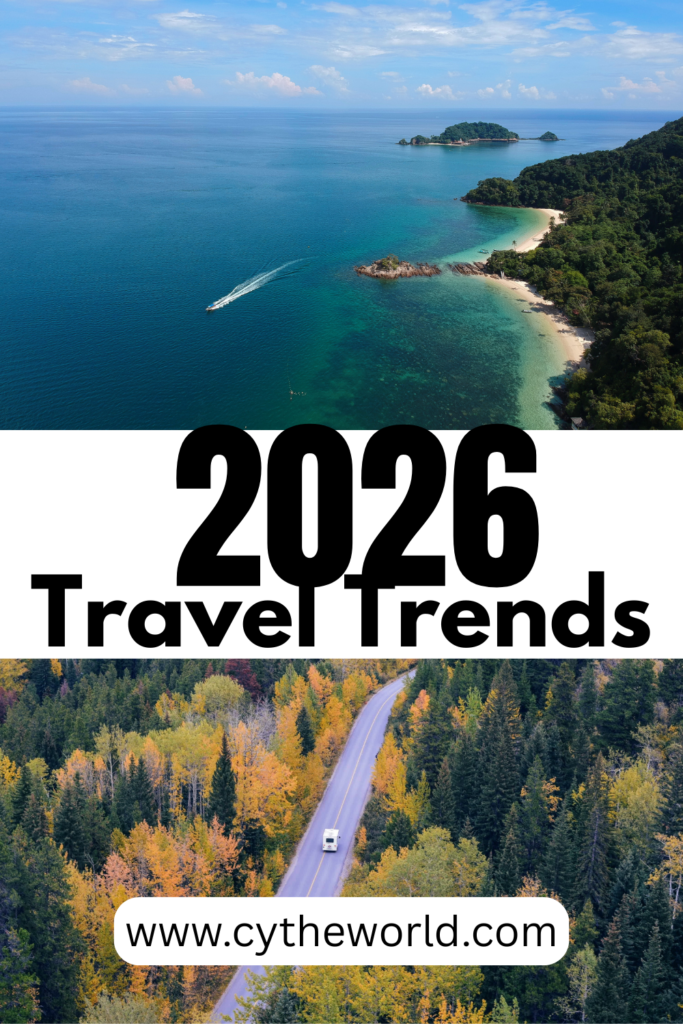
7 Travel Trends for 2026
- Sports Travel
The first travel trend in 2026 will be sports travel. Event-cation has been a trend for a couple of years now, with people traveling for Taylor Swift’s Eras Tour, Beyoncé’s Renaissance & Cowboy Carter tours, and the 2024 Summer Olympics. This trend will continue in 2026 with the major global sports event, the FIFA World Cup. The State Department estimates that 6 to 7 million international fans will come for the FIFA World Cup. This boost in tourism not only allows people to enjoy the game but also allows travelers to get to know the different cities they are attending the games in.
Expedia reports that although sports travel is enhancing the fan experience, fans want more than just stadium lights. Visitors wish for more intimate experiences, to interact with locals, and to immerse themselves in local cultures. However, the World Cup is not the only sports event attracting visitors to special places. Whether visitors are visiting North America, Japan, Thailand, Italy, or South Korea, 57% of travelers report they are more likely to attend a local sports event to immerse themselves with locals. Sports like Sumo Wrestling in Japan, WrestleMania in Vegas, and Muay Thai in Thailand are events that adventure seekers are eager to use as reasons to explore. These immersive travel experiences blend cultural tourism with the thrill of local sports, creating unforgettable vacation memories. Hence, a travel trend to add to your travel planning.

- Low-Season Travel
The second travel trend is traveling during the off-season. In 2026, off-season travel, also known as shoulder-season or low-season travel, has become one of the most influential global tourism trends as travelers seek brighter, calmer, and more affordable ways to explore the world. As the BBC reports, 2026 will be marked by quiet escapes and off-season travel, which will help meet that demand. Low-season travel helps adventure seekers circumvent rising travel costs and overtourism while still having authentic experiences. Hence, many travelers are avoiding peak seasons and are preferring to visit destinations during the quieter months.
Traveling during the off-season allows visitors to enjoy lower airfare, discounted hotel rates, shorter lines, and less crowded attractions, while still experiencing the same culture, cuisine, and landscapes. Young adults and college students would benefit from traveling during the low travel season due to its financial advantages. Beyond affordability and convenience, off-season travel in 2026 offers deeper emotional and cultural value. With fewer tourists during the off-travel season, travelers can connect more naturally with local communities, explore neighborhoods at a relaxed pace, and engage more meaningfully with traditions and daily life. Photographers, digital nomads, slow travelers, and experience-driven explorers especially benefit from the calm, flexible environment that off-season trips provide. Many destinations around the globe are now promoting off-season tourism as a sustainable alternative that protects local environments and reduces pressure on infrastructure, making it an increasingly attractive choice for conscious travelers. Off-season travel is no longer a budget secret—it has become a defining feature of modern travel culture and one of the strongest travel trends of 2026.

- Salvaged Stays
Another trend dominating in 2026 is Salvaged Stays. What are Salvaged Stays? Salvage stays are historic buildings such as castles/palaces, old government buildings, monasteries, former factories, train stations, and lighthouses, repurposed for lodging and visitor accommodation. Expedia’s Unpack ‘26, the next emerging trend that will take over in 2026, is Salvage stays, as the hospitality industry experiences a remarkable transformation. With travelers seeking to travel with intentions and seeking immersive experiences, salvage stays, which offer accommodation with a story, are becoming a top accommodation choice. For travelers, these historic buildings resonate with their historical significance, character, and compelling narratives. These adaptive reuse hotels are aesthetically striking and also promote cultural connection and a sense of place.
By preserving historically significant structures, salvaged stays offer travelers a window into the past, allowing them to engage with the local heritage in a meaningful way. The fusion of history and modern hospitality creates environments that evoke curiosity and appreciation, enriching the travel experience for many. Moreover, salvaged stays align with the growing emphasis on sustainable development. By revitalizing existing structures rather than building new ones, this movement significantly reduces environmental impact and helps combat urban sprawl. These accommodations often incorporate sustainable practices, further appealing to eco-conscious travelers. As the preference for authenticity over uniform luxury continues to rise, travelers are increasingly seeking unique accommodations that reflect their values and aspirations. Salvaged stays serve as a powerful driver of destination appeal, attracting visitors who crave distinctive experiences that tell a story. Hence, a trend worth knowing and one that allows your journey to be profoundly enriching.

- Hotel Hopping
Another accommodation trend that is dominating the travel industry is hotel hopping. Rather than staying in one hotel for an entire trip, hotel hopping is becoming a popular travel strategy in 2026, especially among experience-driven travelers and digital nomads. According to Hotel.com findings, one in two travelers wants to hotel-hop or book multiple stays within a single destination. 50% of these travelers reported preferring hotel hopping to explore various neighborhoods, and 35% like it for its discounts. The multi-hotel travel strategy allows visitors to combine luxury resorts, boutique hotels, wellness retreats, eco-lodges, and co-living spaces in a single journey, creating a highly personalized travel experience. Through this growing trend, travelers curate their stays as carefully as their sightseeing plans. This trend maximizes cultural exposure and personalizes the travel experience in ways traditional itineraries cannot. Hotel hopping appeals especially to digital nomads, experience-driven travelers, and long-stay visitors who value flexibility, cultural immersion, and curated comfort.
Beyond convenience, hotel hopping enhances cultural exploration and travel satisfaction by allowing travelers to engage with a destination from multiple perspectives. Staying in different neighborhoods encourages deeper local connection, access to varied cuisine and nightlife, and a richer understanding of a city’s rhythm. It also helps travelers balance budgets by combining premium and affordable accommodations, while maximizing experiences such as spa retreats, rooftop hotels, historic properties, and lifestyle hostels. As personalization becomes central to modern tourism, hotel hopping supports the growing demand for customized travel itineraries, experiential tourism, and flexible lodging solutions. In the future of travel, the hotel is no longer just a place to sleep; it is a core part of the journey itself. As travelers seek unique accommodations that reflect local identity and offer immersive design, this trend is becoming a powerful driver of the global hospitality industry.

- Wellness Travel
In 2026, wellness travel has evolved into one of the most potent forces reshaping global tourism, as travelers increasingly seek experiences that nurture not only the body but also the mind and spirit. This travel trend combines two growing industries: wellness and travel exploration. No longer limited to spa weekends or yoga retreats, wellness tourism now encompasses burnout recovery, mental health support, longevity and fitness optimization, spiritual growth, and sustainable lifestyle transformation. Remote work culture, digital overload, and growing awareness of emotional well-being have prompted travelers to view vacations as opportunities for restoration and renewal rather than simple escape. From therapy and digital detox retreats to biohacking resorts, meditation journeys, and nature-based healing destinations, modern travelers are intentionally choosing journeys that help them return home healthier, clearer, and more emotionally balanced than when they left.
This new era of wellness travel reflects a more profound shift in the purpose of travel itself. Travelers are no longer asking where they want to go, but how they want to feel when they return. As a result, wellness tourism is becoming lifestyle travel, with long-stay retreats and holistic communities designed to support lasting personal transformation, healthy routines, and meaningful connections. The future of travel is no longer defined by luxury alone but by peace, resilience, and self-discovery. In this emerging landscape, the most fantastic destination is not a place on the map — it is a better version of oneself.

- Remote Getaways
In line with wellness tourism and in response to the growing issues of overtourism and travel fatigue, travelers in 2026 are turning their attention to remote destinations that promise peace, authenticity, and unspoiled natural beauty. This shift reflects a broader desire for restorative experiences that stand in stark contrast to the crowded tourist hubs of recent years. Travelers want quiet above all else; hence, the terms quietcation and hushpitality have gained steam in the travel industry. Locations such as Arctic villages, desert eco-reserves, tranquil mountain communities, and secluded coastal areas are increasingly sought for their solitude and genuine connection with nature. These remote destinations are ideal for those seeking a break from the noise and hustle of urban life. Travelers are now prioritizing experiences that allow them to revel in silence, enjoy stargazing under clear, unpolluted skies, and immerse themselves in the serene beauty of untouched landscapes. The allure of solitude has never been more appealing, as many individuals seek meaningful moments away from the frenzy of popular tourist attractions.
Also, advancements in infrastructure and improved connectivity have made it easier than ever for travelers to access these once-inaccessible locations without compromising comfort. Enhanced transportation, such as trains that take you to visit the Alps in Switzerland, now offers seamless travel, allowing visitors to reach tranquil spots while enjoying the amenities they desire. AI-powered travel resources have always helped travelers find tranquil destinations to explore. Ultimately, the rise of remote tourism is a testament to the evolving values of modern travelers. By prioritizing peace and connection with nature, individuals are not just seeking escapes but experiences that rejuvenate the mind and spirit, in line with the trend of travel wellness. As travelers continue to pursue authenticity and tranquility, one can only anticipate the rich and diverse adventures that await in the world’s hidden corners.

- Set-Jetting
Lastly, the trend that will dominate the travel industry in 2026 is set-jetting. Set-jetting is the practice of traveling to locations featured in popular films, TV series, and streaming content. This trend reflects the deepening bond between entertainment and tourism, with travelers eager to immerse themselves in the worlds created by their favorite stories. As audiences increasingly seek emotional connections with the narratives that resonate with them, these cinematic locations offer a unique opportunity to step into the lives of beloved characters and settings. The allure of set-jetting extends beyond mere tourism; it is an experience that taps into nostalgia and the desire for adventure. From the enchanting forests of “The Lord of the Rings” to the vibrant streets of iconic cities featured in rom-coms like Emily in Paris, these destinations provide an immersive backdrop for fans.
Travelers are no longer satisfied with passive media consumption; they want to live out the stories themselves. I remember wanting to visit Denmark when I was younger because of the Prince & Me movie. I didn’t know other movie fans felt this way, and we can all thank social media for making this a trend. Platforms like Instagram and TikTok serve as catalysts, enabling travelers to document their journeys through visually stunning photos and videos. Many take pleasure in recreating iconic scenes, thus becoming part of the narrative themselves. As more film and television productions set in picturesque or unique locales, destinations are experiencing unprecedented tourism booms. Cities and countries actively promoting their cinematic landscapes find themselves at the forefront of a burgeoning industry, where set-jetting emerges as a powerful driver of economic growth and cultural exchange. Hence, we see cities such as London, Paris, Barcelona, Los Angeles, and Miami gain a boost in tourism because they are where many of our favorite rom-coms, action movies, and other films are made.

Conclusion
In conclusion, the travel landscape of 2026 promises to be vibrant and transformative, reflecting the desires of modern explorers. With trends like sports travel, low-season adventures, and offshore experiences taking center stage, travelers can look forward to opportunities that not only enrich their journeys but also foster deeper connections with destinations and cultures. As we prioritize authenticity, sustainability, and well-being, these trends encourage mindful travel practices that benefit both visitors and host communities.
Embracing the off-season and seeking immersive local experiences will redefine our adventures, making them not only memorable but also meaningful. Whether you’re cheering for your favorite team, discovering hidden gems during quieter months, or indulging in luxurious ocean retreats, this new year is set to enhance our travel experiences. As you plan your 2026 adventures, keep these trends in mind to ensure your journeys resonate with the spirit of adventure and responsibility.
Until next time,
Happy travels!
Xoxo,
Cy
